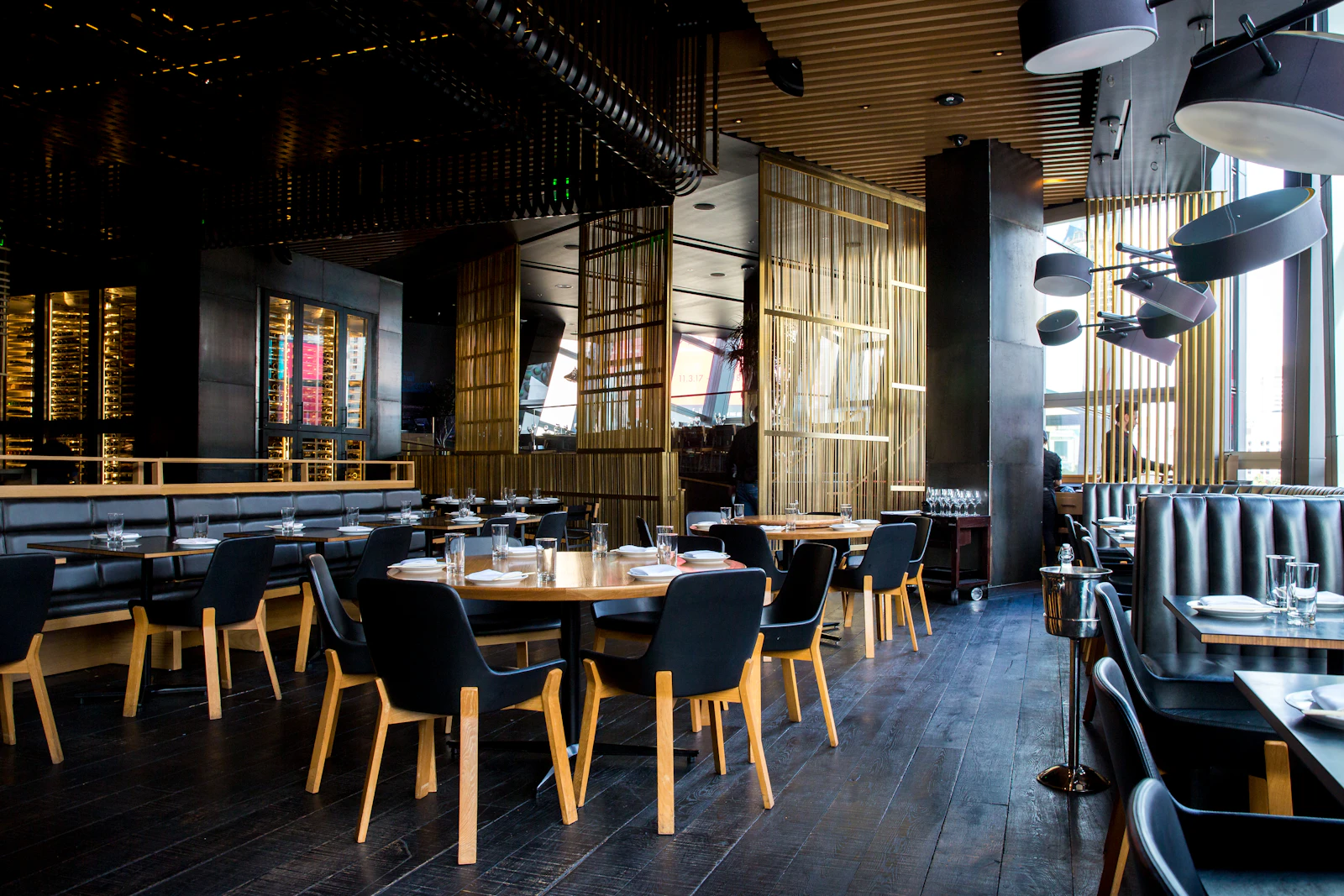
Coffee house culture is the social side of coffee made visible. A coffee house is not just a place that sells drinks. At its best, it gives people a low-pressure room for conversation, reading, working, thinking or simply being out in public without needing a formal occasion.
The exact form changes by country and period. Historic coffee houses, European cafes, modern speciality shops and neighbourhood independent cafes all work differently. What links them is the way coffee creates permission to pause in a shared space.
Historic coffee houses
Coffee houses have often been associated with conversation, trade, reading and public debate. It is easy to overstate this history and imagine every old coffee house as a grand intellectual salon, but the broad point is useful: coffee created public rooms where people could gather without the same expectations as a meal or private home.
That role continues in modern form. Today, a cafe might host remote workers, parents, students, readers, friends, dates, local business meetings and people killing time before a train. The coffee is the anchor, but the social use is wider.
Why cafes feel different from restaurants
A cafe usually has a lighter social contract than a restaurant. You can visit alone without feeling unusual. You can read, wait, write notes or meet someone briefly. In many cafes, the cost of entry is a drink rather than a full meal.
This makes cafes important third places: neither home nor work, but somewhere between. Not every cafe functions this way, especially when space is tight or turnover needs are high, but the possibility is part of coffee house culture.
Independent cafes and local identity
Independent cafes can become local markers because they reflect a particular street or community. Their furniture, music, opening hours, menu, staff and regulars create a sense of place. A good independent cafe does not need to be dramatic. It may simply be reliable, welcoming and specific.
This is why local cafe guides should be careful. A useful guide does not claim every cafe is the best. It explains what a place may be useful for: a quiet corner, an independent roaster, a city-centre pause, a reading stop or a future visit note. Coffee Balcony applies that approach in the Cardiff cafe guides.
Reading, writing and quiet corners
Many people use cafes as reading rooms. The appeal is not silence exactly, but a gentle level of life around you. Background conversation, cups, doors and street movement can make concentration easier for some people than being alone at home.
Not every cafe is suitable for reading or working. Seating, music, lighting, table size, Wi-Fi, sockets and staff expectations all matter. A respectful visitor watches the room and avoids treating a small busy cafe as a private office.
Remote work and laptop culture
Remote work has changed coffee house culture. Some cafes welcome laptops during quieter hours. Others limit them, especially at peak times. Both approaches can be reasonable. Cafes need to balance hospitality with table turnover, comfort and business survival.
For visitors, the practical question is simple: is this a good place to work today? Look for signs, ask politely when unsure and buy appropriately if you stay. A good coffee culture works for staff as well as customers.
Atmosphere matters
Coffee house culture depends on atmosphere. Light, sound, smell, table spacing, queue design and service tone all shape whether a cafe feels calm, rushed, generous or awkward. The same drink can feel different in a crowded takeaway counter and a quiet room with warm light.
This is why “good coffee” is not the only question. A cafe can be valuable because it gives you a place to think, a familiar face, a better route through town or a reason to slow down.
What makes a coffee house useful?
A useful coffee house is clear about what it offers. It might be fast and efficient, quiet and slow, social and lively, or focused on technical brewing. Problems often arise when visitors expect one type of cafe to behave like another.
Understanding coffee house culture helps you choose better. For work, find places that suit laptops. For conversation, choose comfort and sound level. For coffee detail, look for roasters and brew bars. For a pause, sometimes the best choice is simply the table with good light.
Return to the Coffee Culture hub for more guides to cafe rituals and global traditions.
How to use cafes well
Good cafe use is a small act of consideration. If you plan to stay a long time, buy enough to make the visit fair. If the cafe is full, avoid spreading across a large table alone. If you need calls, check whether the room suits them. These habits protect the spaces people value.
For cafe owners and baristas, coffee house culture is equally practical. Clear signs about laptop use, gentle seating design and consistent service expectations help visitors understand the room. A cafe does not need to please every use case. It needs to communicate what kind of place it is.
A Coffee Balcony way to judge cafes
For Coffee Balcony, a useful cafe is not automatically the most famous, busiest or most photographed. It is a place that helps someone do something human: read quietly, meet a friend, buy good beans, take a slower lunch, sit outside or feel connected to a neighbourhood. That is why cafe culture guides should describe use cases rather than invent universal rankings.